All Categories
Featured

The Shift in Digital Loyalty Across Local Neighborhoods
Table of Contents
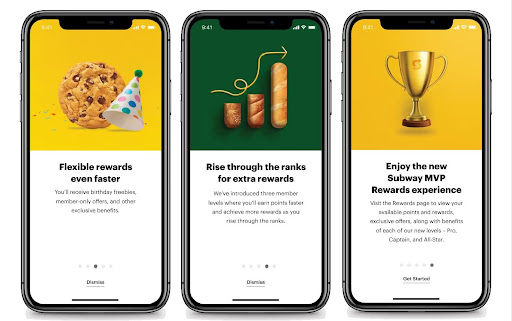
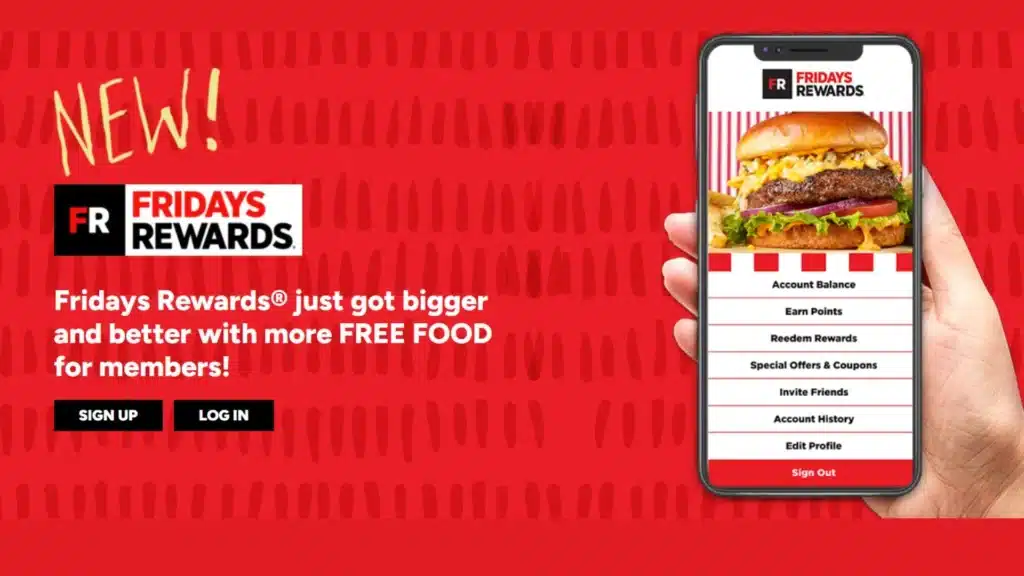
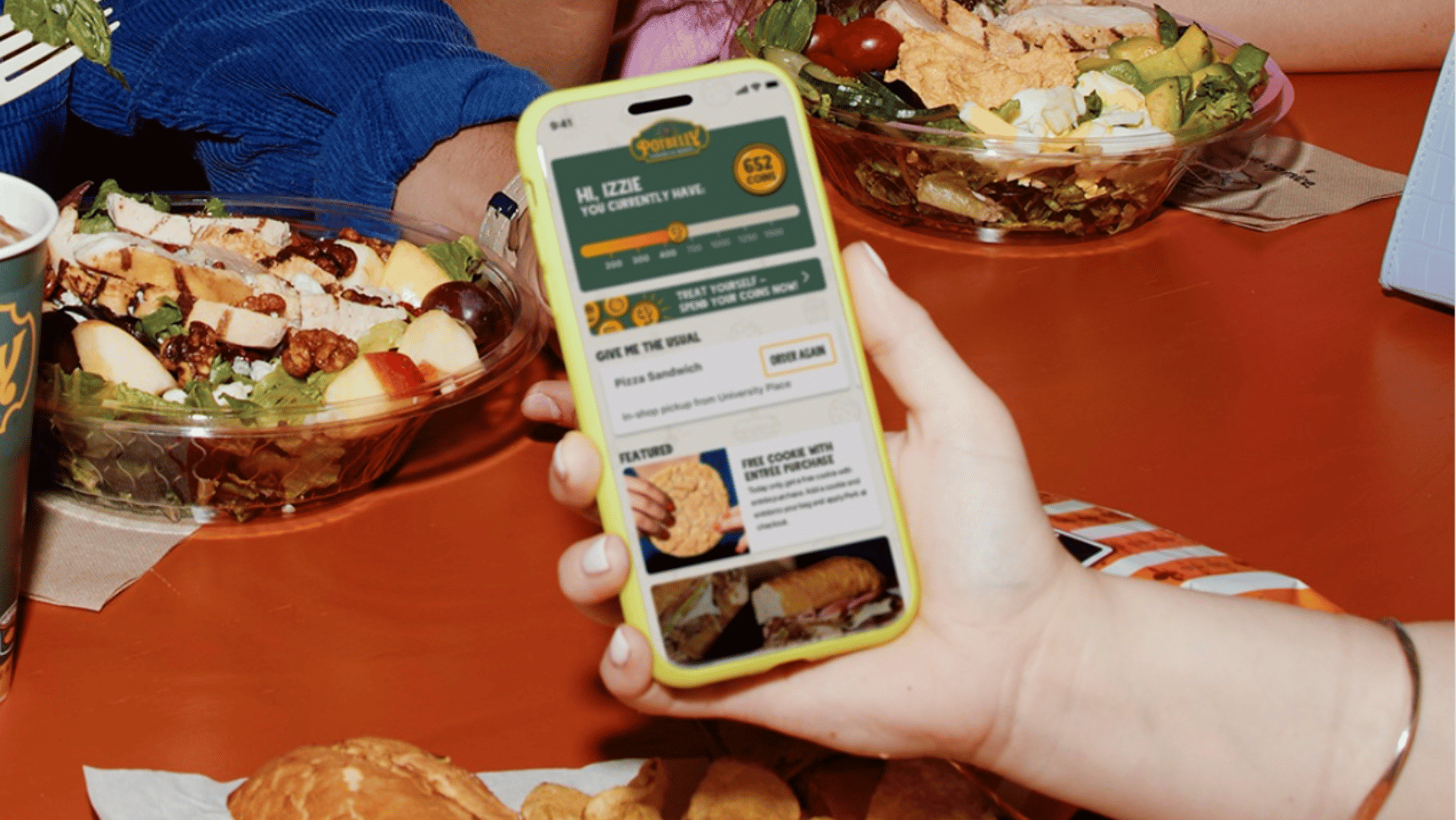
The dining experience in 2026 has moved far beyond the simple exchange of currency for a meal. For residents in the immediate area, the smartphone has become as essential as the fork. Restaurant apps have matured into sophisticated tools that prioritize community involvement and personalized value. Instead of generic "buy ten, get one free" punch cards, the current systems use real-time data to offer rewards that reflect the actual habits and interests of the local population.
Current trends show that diners are looking for more than just a discount. They want to feel connected to the places they frequent. Many apps now feature "community goals" where if a certain number of people in the local district visit a specific establishment during a weekend festival, a donation is made to a local charity or a neighborhood-wide discount is triggered for the following week. This collective approach to rewards has changed the way people choose their Friday night destinations.
Smart diners are increasingly interested in Party Catering as a way to maximize every dollar spent on eating out. By participating in these structured programs, individuals find that their routine lunch stops contribute to larger perks that were unavailable just a few years ago. The emphasis in 2026 is on sustained engagement rather than one-off deals, ensuring that loyal customers receive the most significant benefits.
Advanced Features of Modern Dining Apps
The utility of these platforms has expanded to include logistical support that makes dining out more efficient. In the region, many apps now integrate with smart city infrastructure to provide real-time updates on parking availability near popular restaurants or wait times that are accurate to the minute. Some even offer "priority seating" tokens that can be earned through consistent visits or by participating in local volunteer events linked through the app interface.
One of the most talked-about features in 2026 is the "Flash Reward" system. These are time-sensitive offers that appear when a restaurant has unexpected table openings or wants to celebrate a local milestone, such as a high school sports victory in the vicinity. These notifications are no longer seen as intrusive spam but as genuine opportunities to experience high-quality food at a fraction of the cost. The precision of these alerts ensures that users only see offers that align with their documented preferences and dietary restrictions.
Affordable Party Catering has become a staple for those who want to stay ahead of the curve in the local food scene. By using these digital tools, consumers can track their spending, manage their dietary goals, and even interact with chefs through exclusive live-streamed cooking demonstrations available only to top-tier reward members. This level of access creates a sense of exclusivity that keeps users coming back to the app daily.
Community Events and Interactive Rewards in 2026
Seasonal festivals and town-hall gatherings in local communities have become major catalysts for app-based rewards. During the 2026 summer concert series, several apps launched "Passport" programs. Users earned digital stamps by visiting different vendors at the event, which then converted into significant credits at brick-and-mortar locations throughout the surrounding area. This strategy successfully bridges the gap between temporary pop-up events and long-term business growth.
Interactive maps within these apps have also seen a major upgrade. They no longer just show a pin on a map; they provide a heat map of where the best "points-per-dollar" ratios are currently available. For instance, a diner might see that a bistro three blocks away is offering triple points for the next two hours to coincide with a nearby gallery opening. This encourages foot traffic and helps smaller businesses compete with larger chains by capitalizing on local events.
The search for Event Dining for Groups often leads residents to try cuisines they might have otherwise ignored. When an app suggests a new Ethiopian spot or a boutique vegan cafe based on a user's past interest in spicy foods or healthy living, and then attaches a "first-time visitor" bonus, the barrier to trying something new is significantly lowered. In 2026, the data is used to expand horizons rather than just reinforce old habits.
Security and Privacy in the Age of Integrated Loyalty
As these apps collect more information to provide better rewards, security has become a primary concern for users in the region. The 2026 standard for restaurant technology includes decentralized data storage and biometric authentication for all transactions. This ensures that while the app knows you prefer a window seat and a glass of sparkling water, your financial information and personal identity remain strictly protected. This trust is the foundation upon which the entire rewards system is built.
Transparency has also improved. Users can now see exactly how their data is being used to generate their "personalized" offers. If a diner notices they are receiving too many steakhouse coupons, they can easily adjust their profile settings to reflect a new interest in plant-based dining. The apps of 2026 are built to be flexible, recognizing that human tastes change over time. This adaptability is what keeps the relationship between the diner and the digital platform productive and positive.
Optimizing the Dining Budget with Tiered Systems
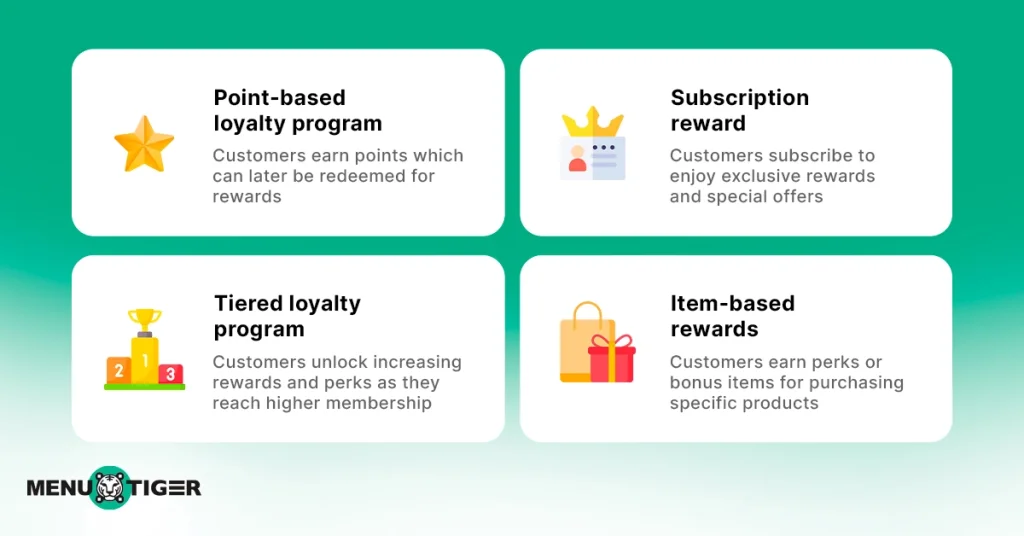
Most successful apps in the local area have moved toward a tiered membership model that rewards consistency over total spend. A student who visits a coffee shop three times a week might find themselves in a higher "loyalty tier" than someone who spends a large amount once a month. This democratization of rewards makes the systems more accessible to everyone in the surrounding neighborhoods, regardless of their income level.
Higher tiers often come with perks that go beyond simple discounts. These can include early access to holiday reservations, invitations to secret menu tastings, or even a "no-wait" guarantee during the busiest brunch hours. For those who take their dining seriously, reaching the "Diamond" or "Elite" status in their favorite app is a point of pride and a way to ensure a premium experience every time they step out of the house.
The integration of local dining initiatives into these platforms has made it easier than ever to support the local economy while enjoying a meal. By highlighting independent restaurants and offering extra incentives for choosing local over national brands, these apps are helping to maintain the unique character of the local market. In 2026, the most valuable reward is the knowledge that your patronage is helping your own community thrive while you enjoy the best flavors the region has to offer.

Latest Posts
The Predictive Shift in 2026 Loyalty Applications
Modern Strategies for School and Charity Support in 2026
Modern Strategies for School and Charity Support in 2026